


Traces of the Earth (2025)
Curated by Marianne Farah Arnone
Casa de Metal Cultural Space – São Paulo
2025
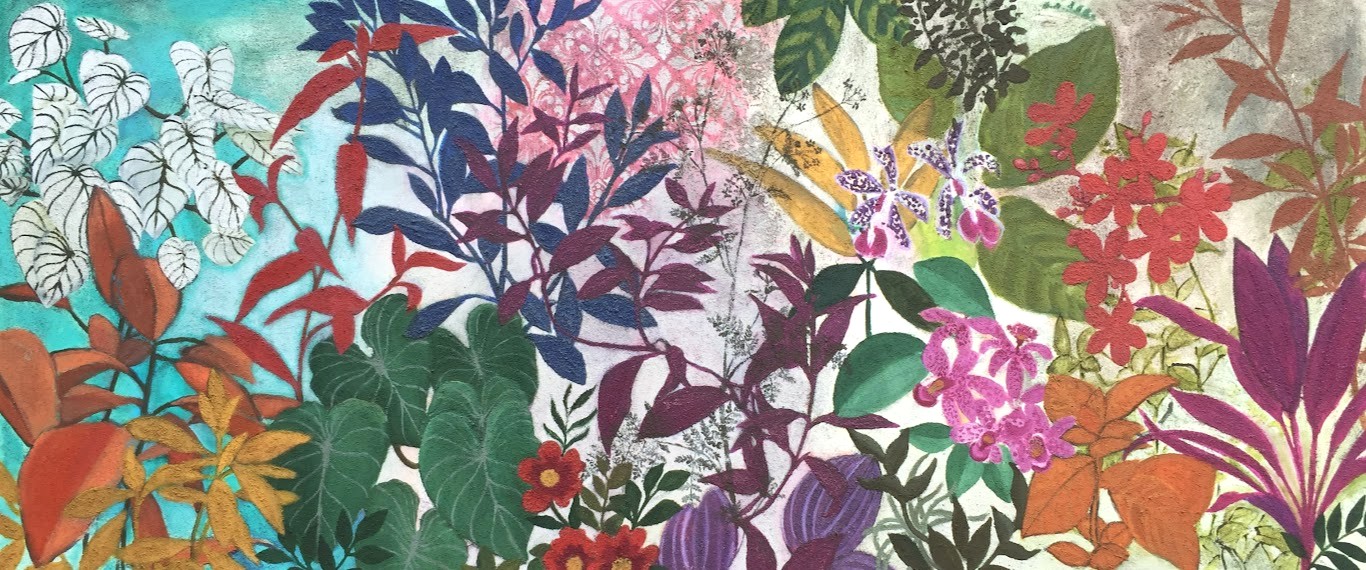
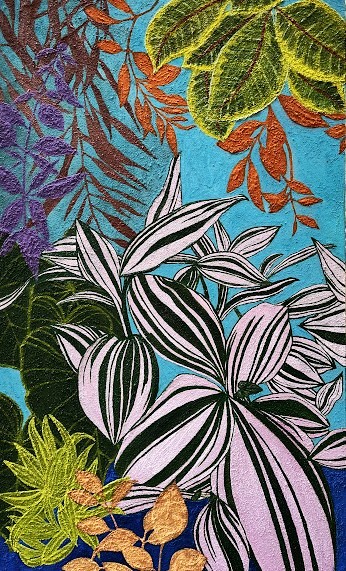
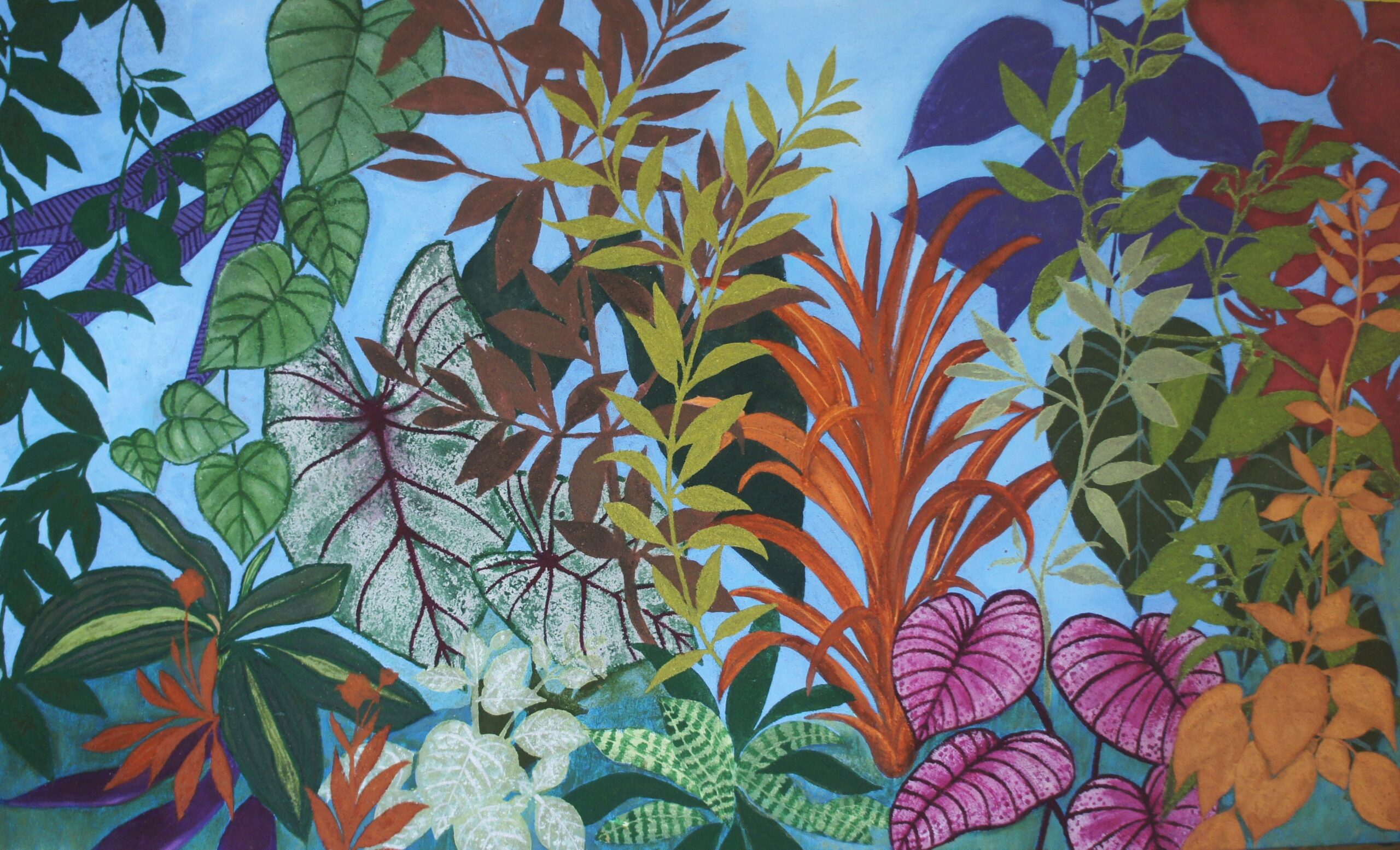
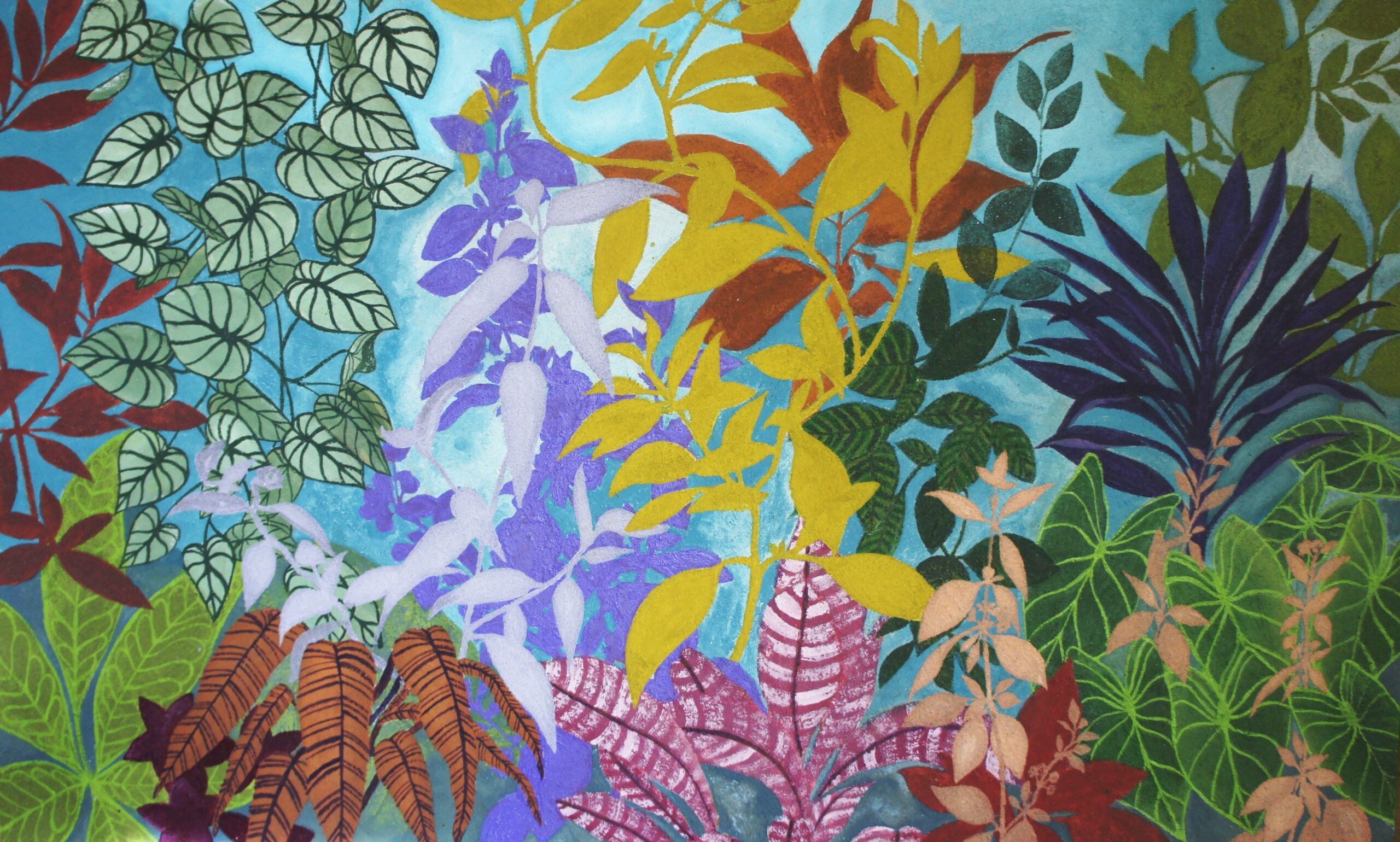
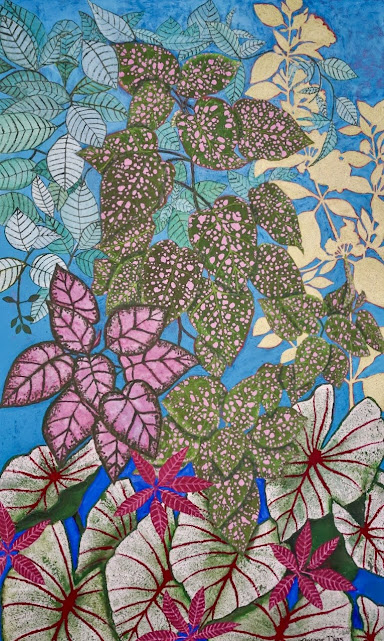
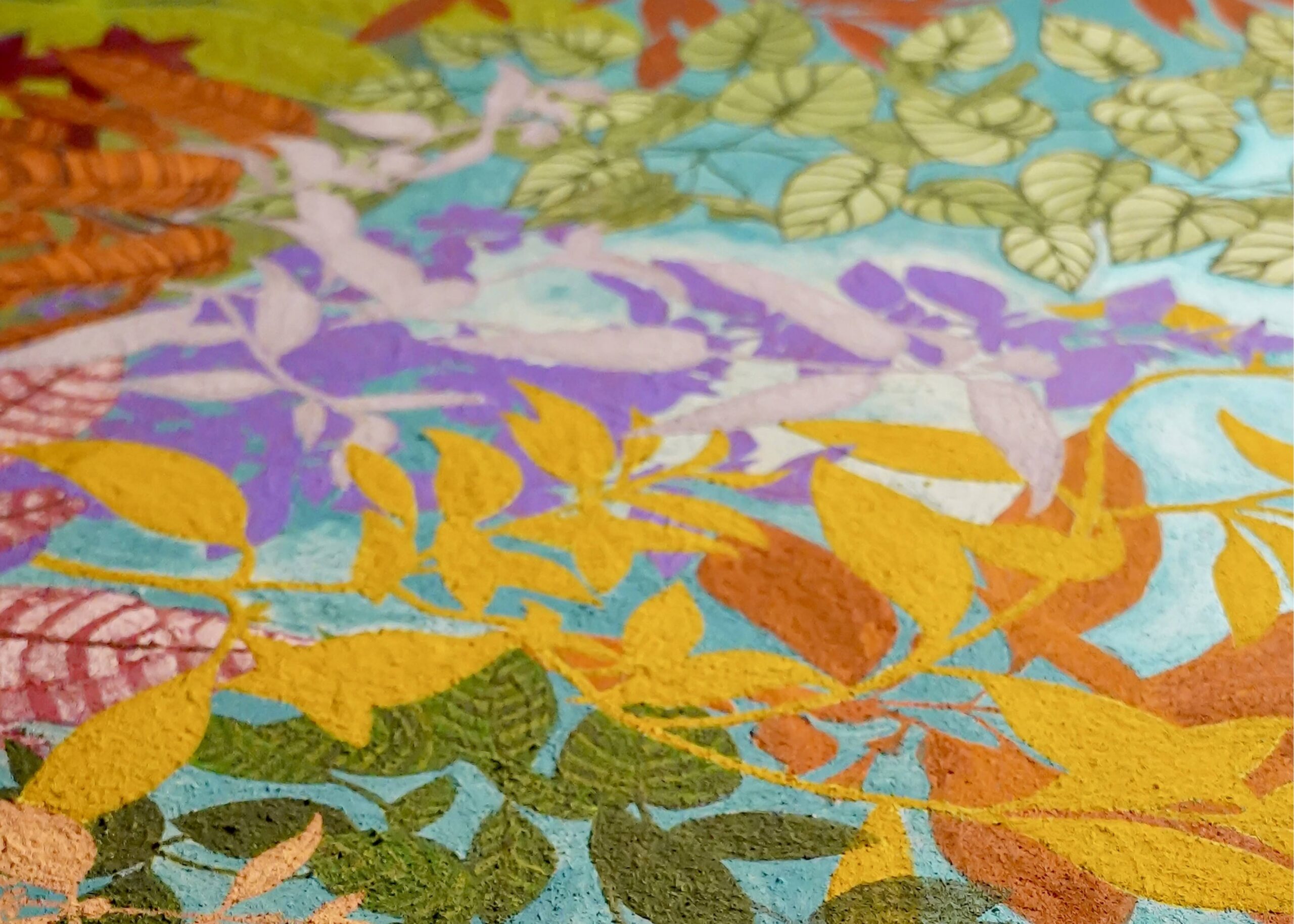
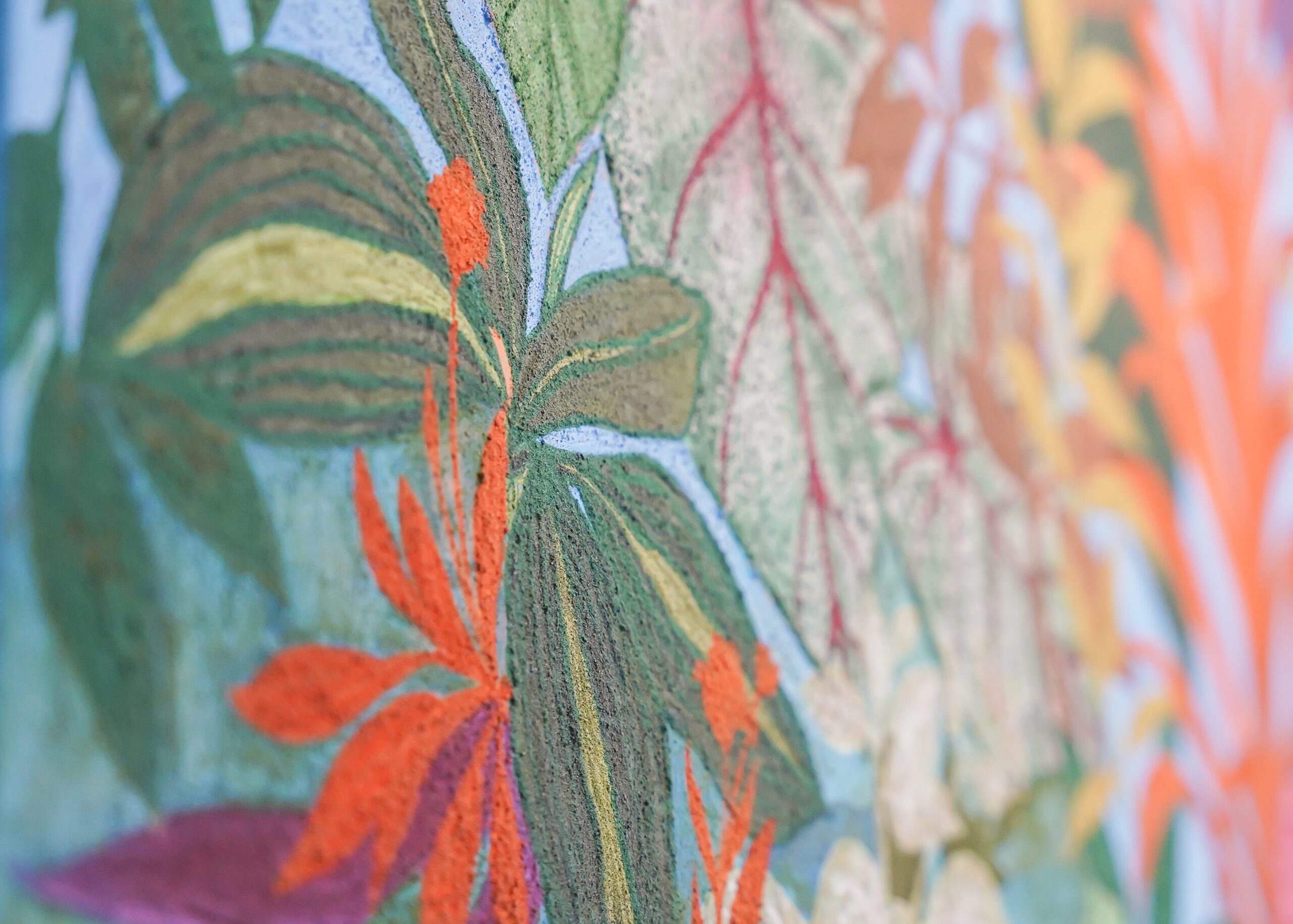
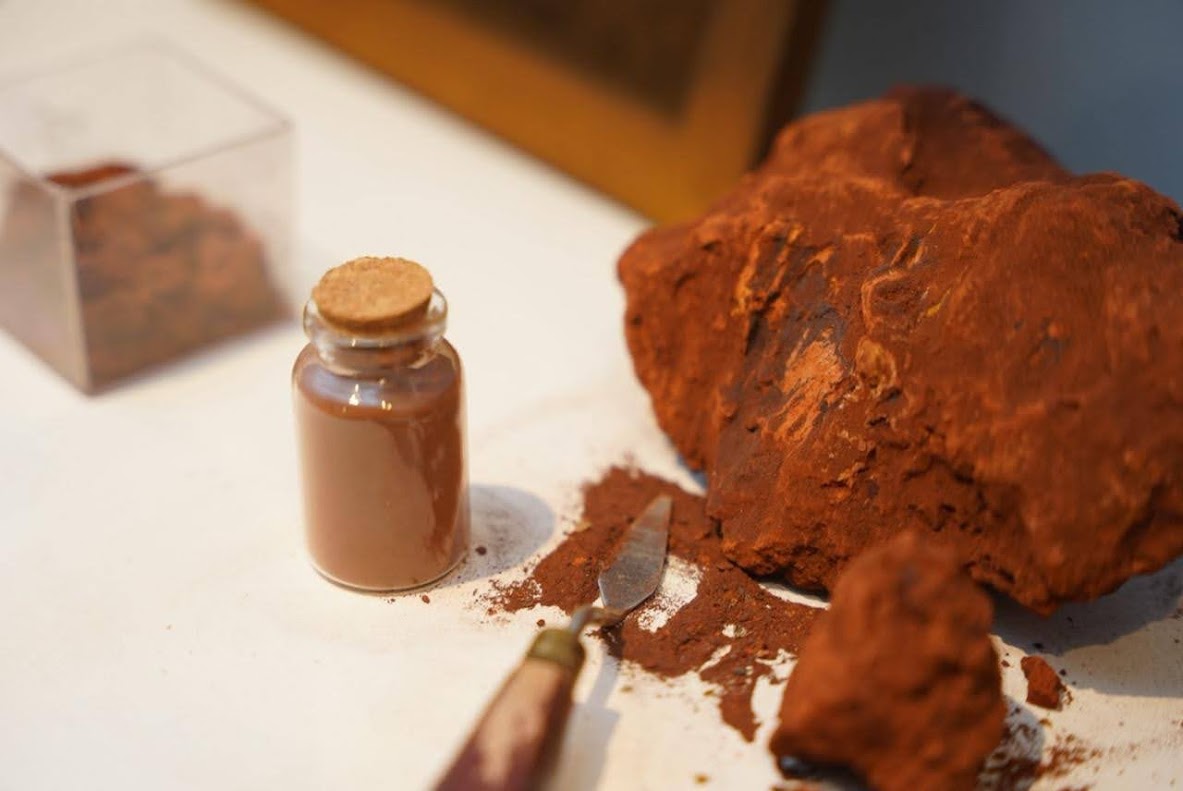
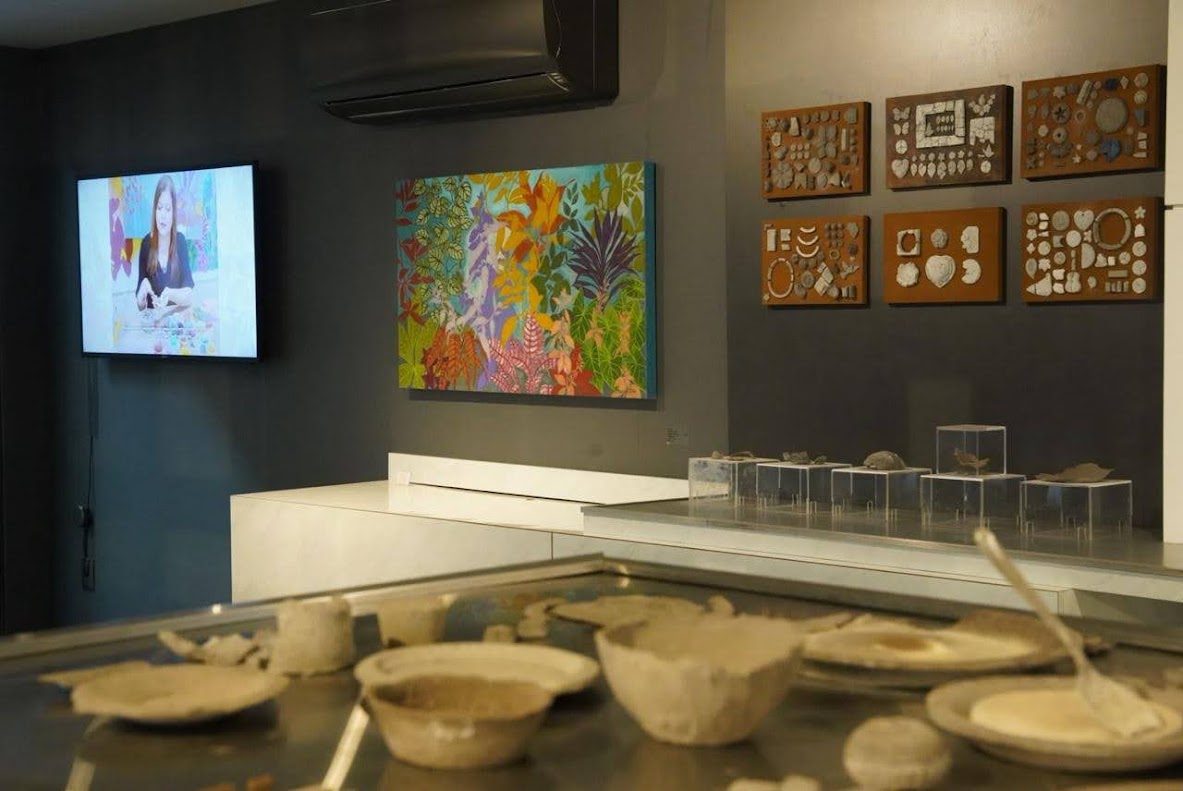
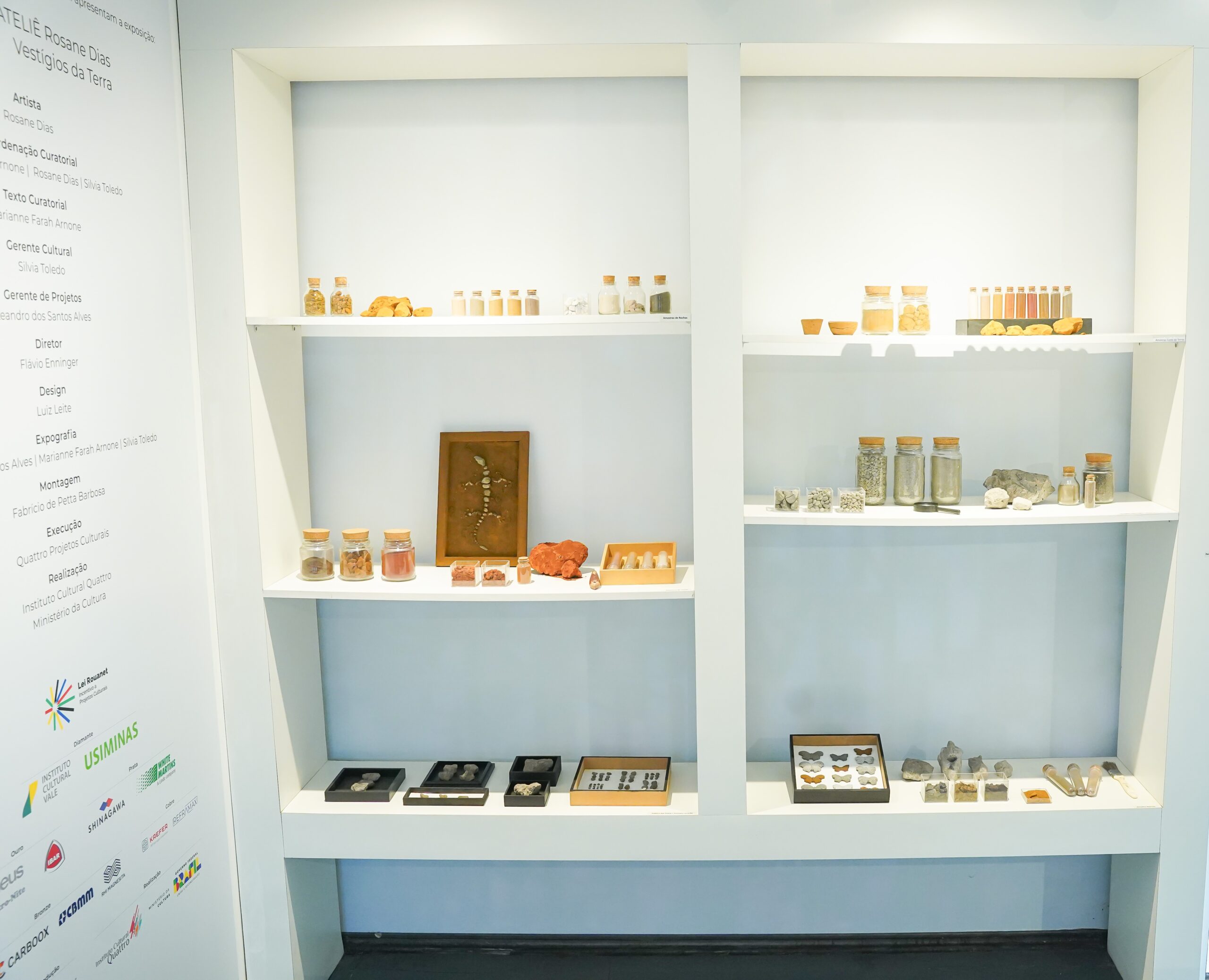
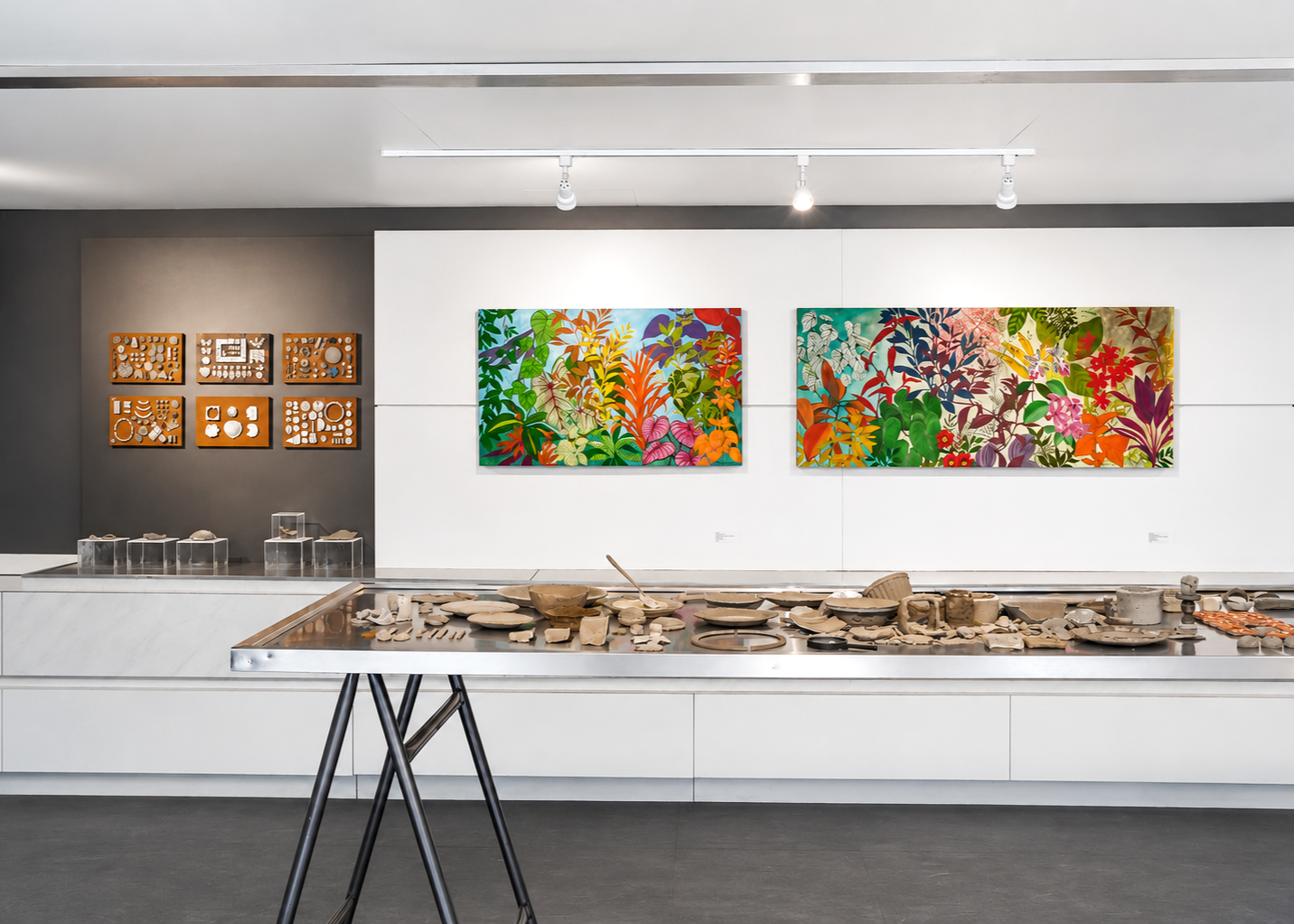
The Ocupa Container project, by Casa de Metal, presents the work of artist Rosane Dias. Since 2016, she has been investigating steel slag—an aggregate residue from steel production that is quite common in Ipatinga (MG), the city where she lives. This material, challenging from an environmental standpoint, reveals great creative potential. Through this investigation, the artist develops innovative techniques and uses for the material: she produces her own paints, creates the bases of her paintings, and shapes three-dimensional objects.
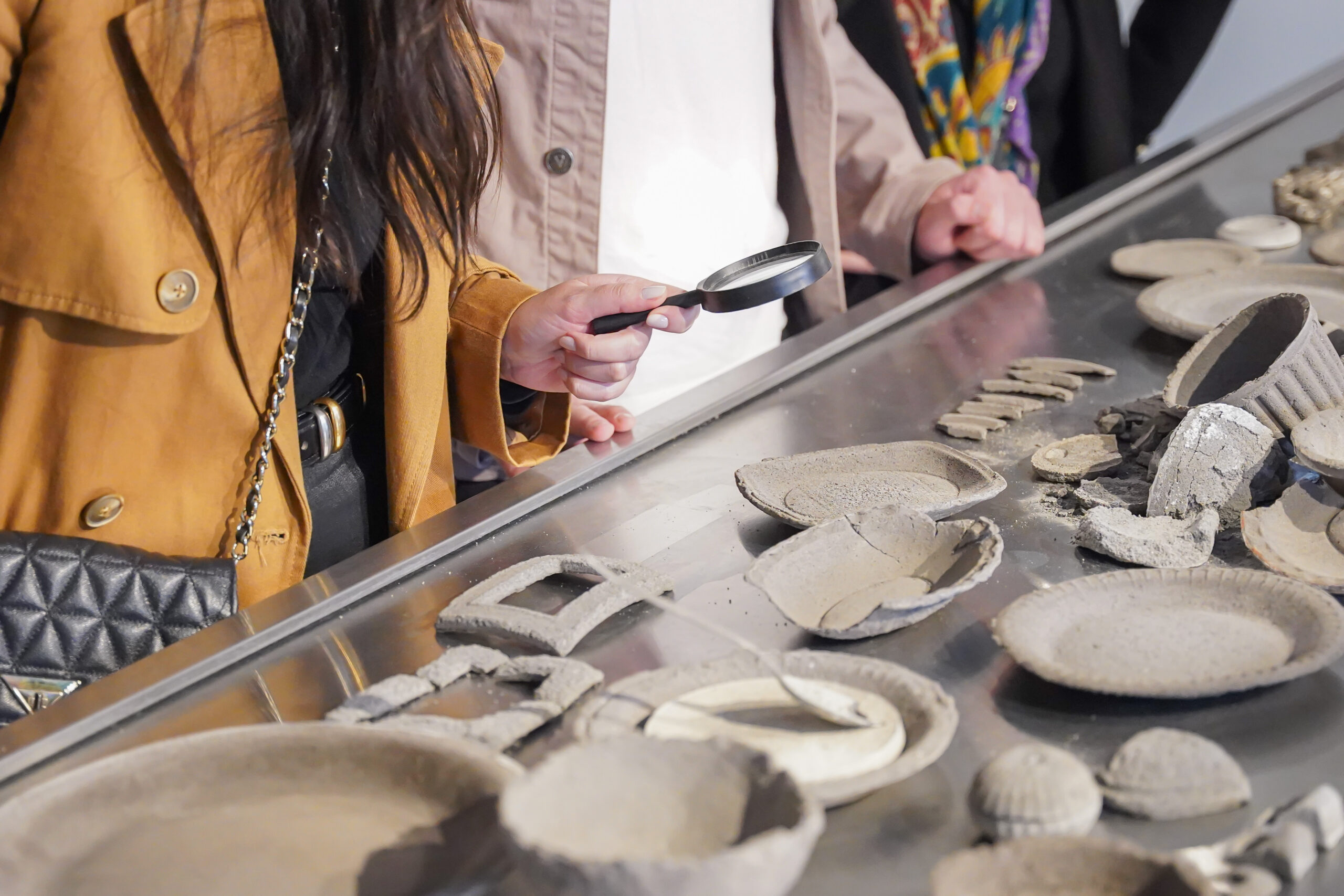
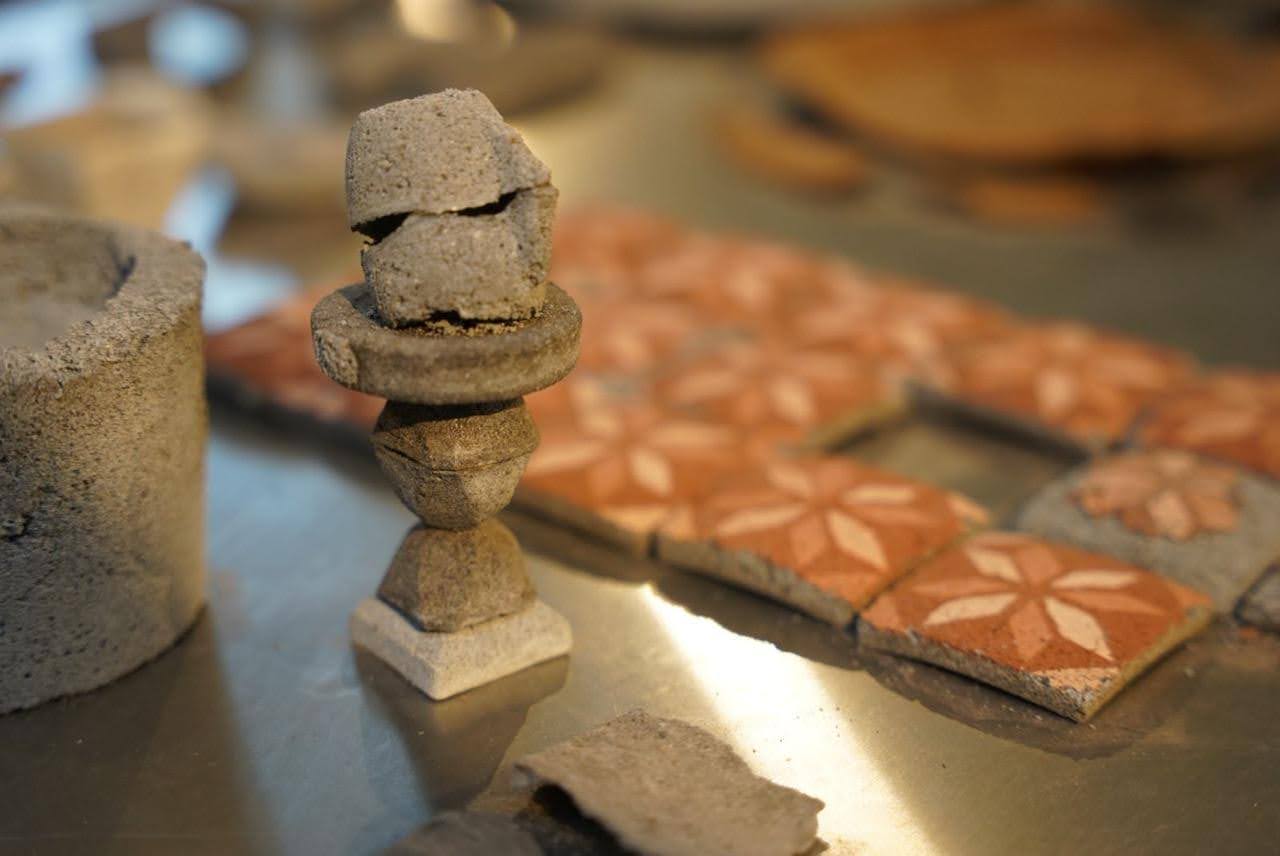
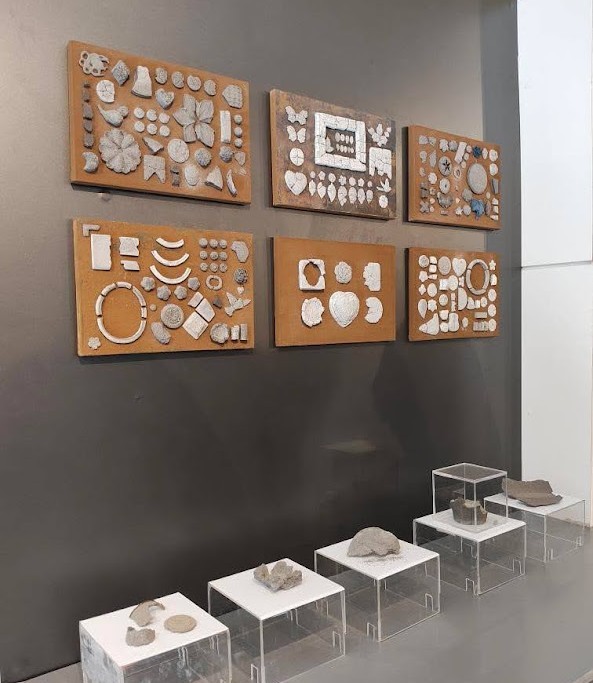
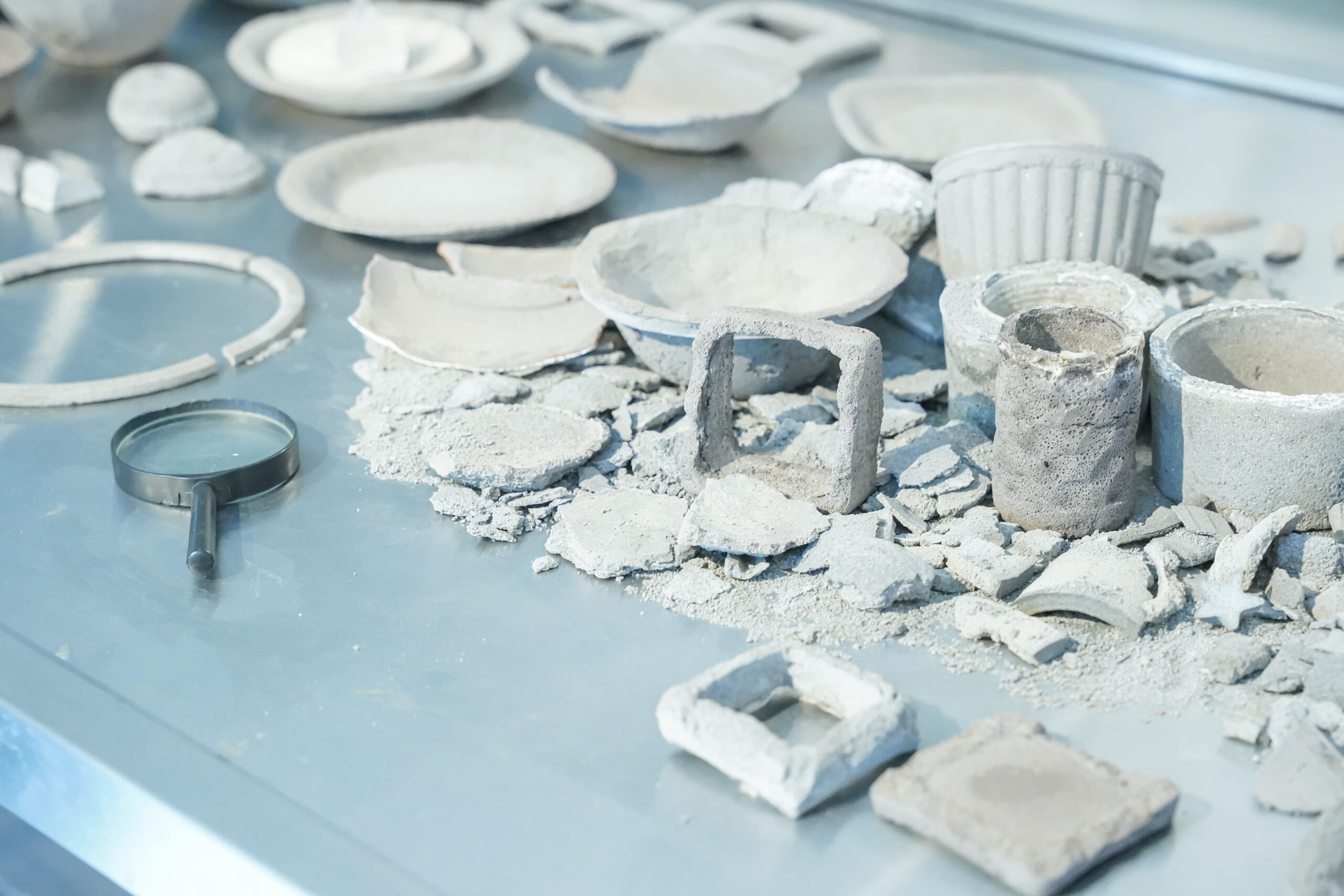
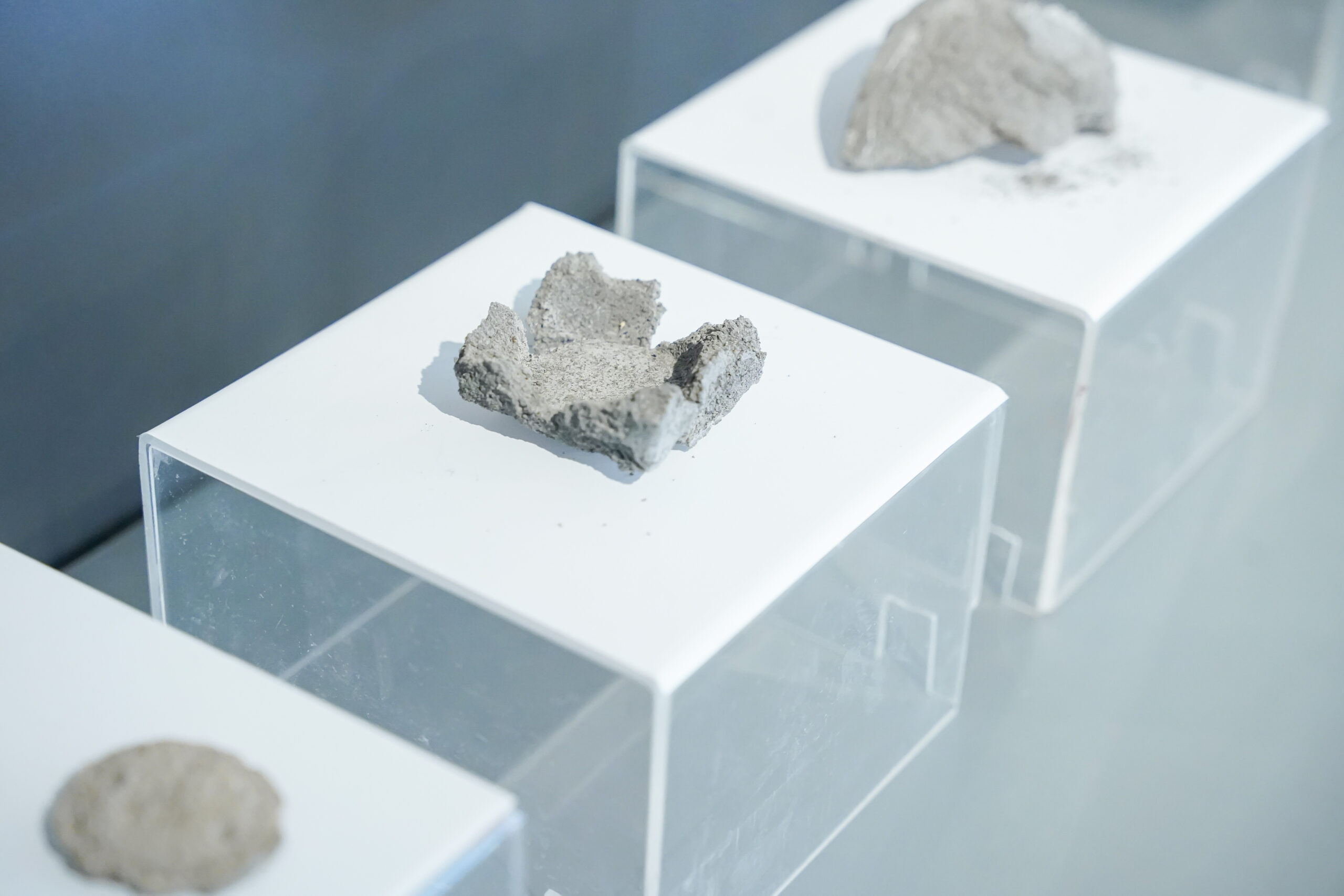
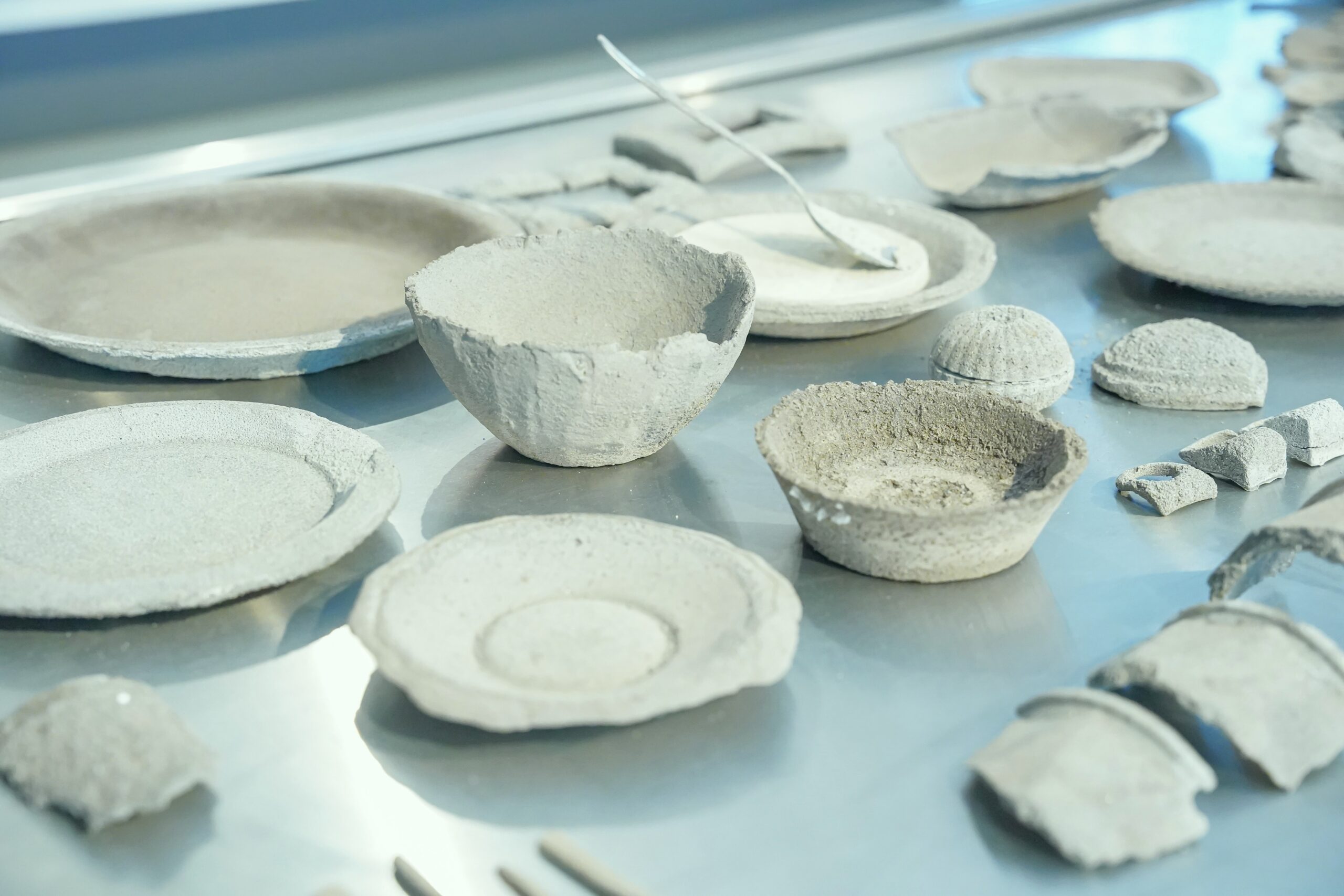
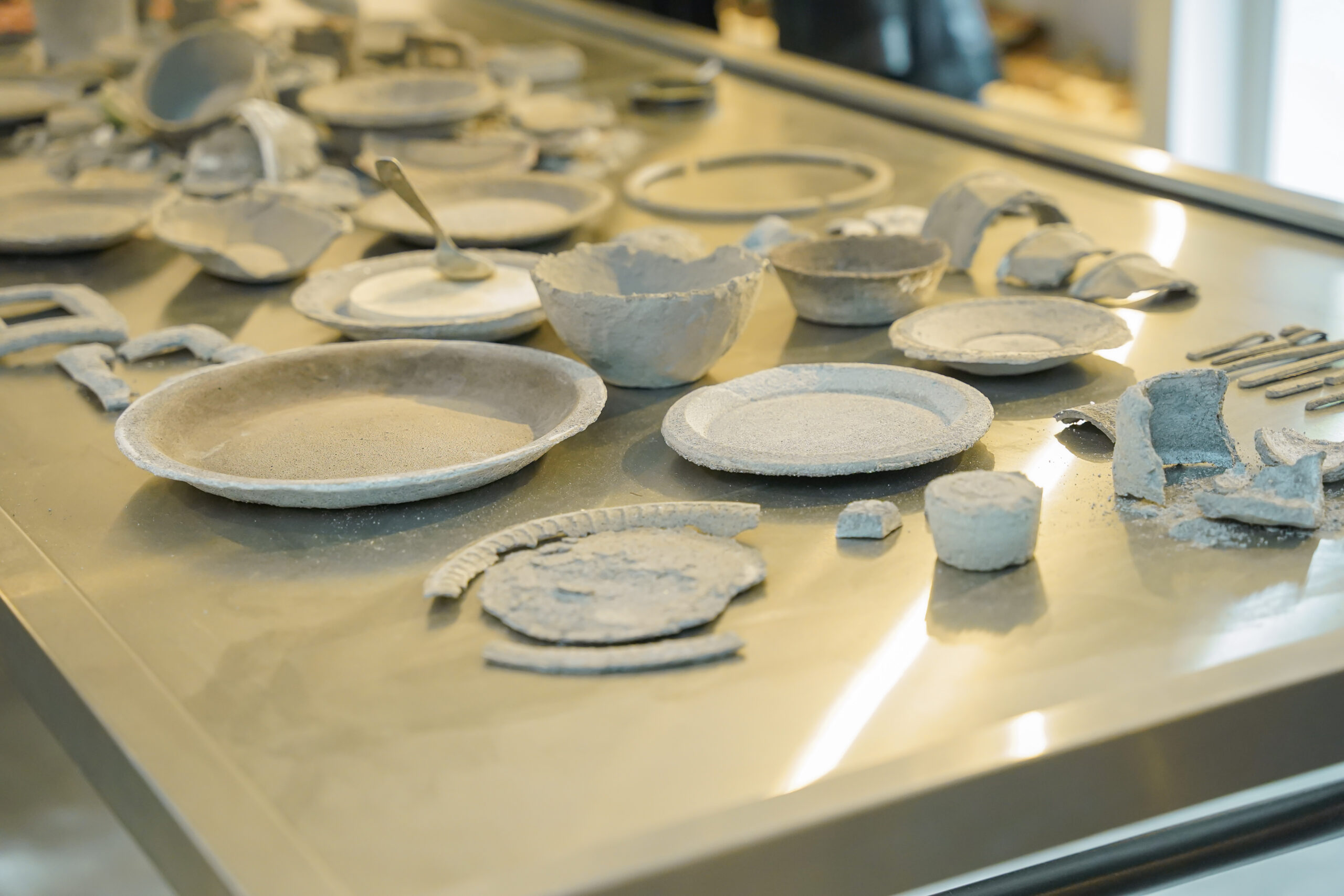
We can identify two major axes of interest in her production. One is plant life—plants and organic forms—treated in her paintings with chromatic vibrancy. The other consists of three-dimensional pieces: fragments of objects that evoke vestiges excavated from other eras, similar to ancient ceramics, treated by the artist as a kind of archaeological find.
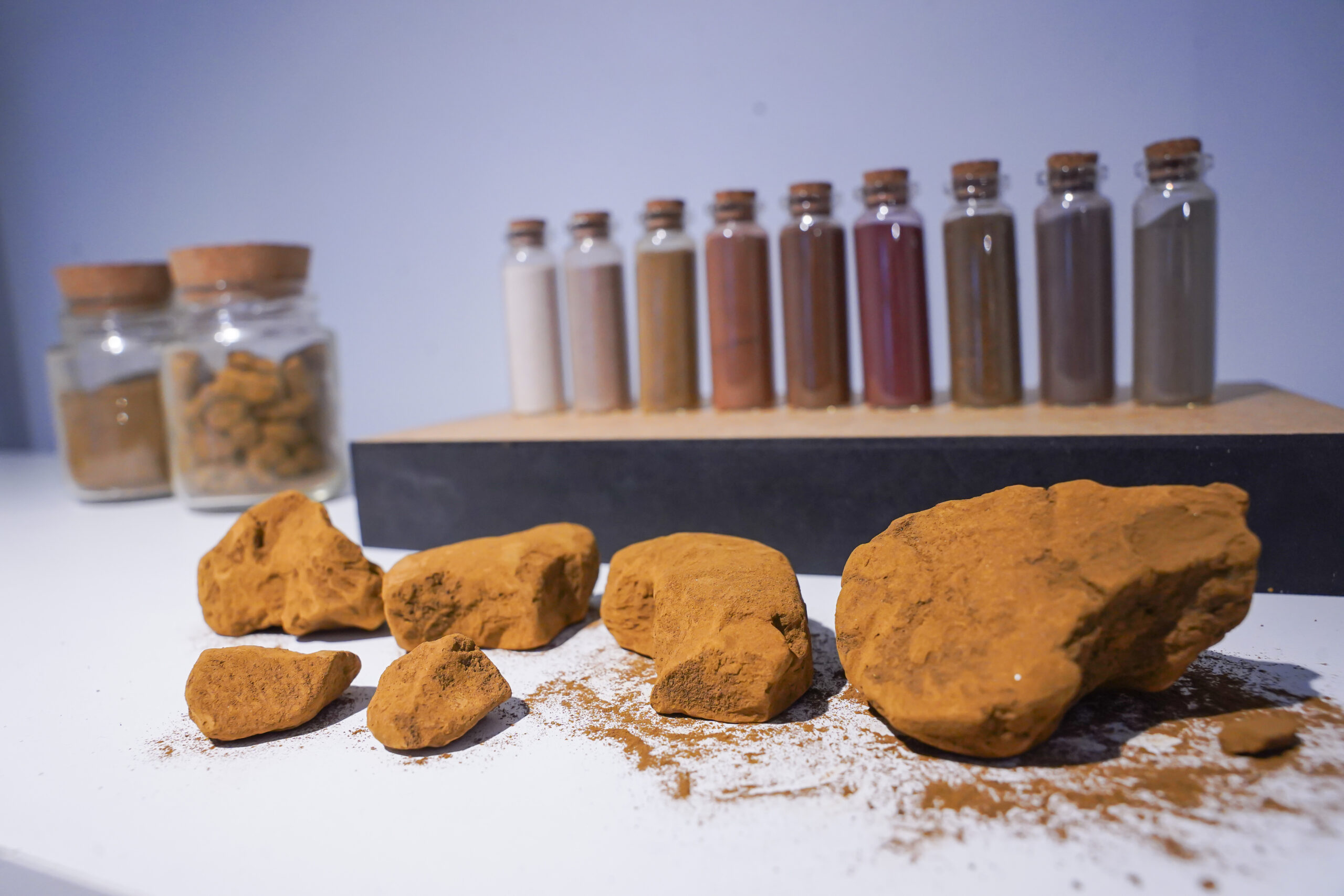
The soil—this living organism formed by mineral and organic matter—seems to constitute a fundamental link between these apparently disparate productions, without an immediate or obvious connection.
In fertile soil, plants are born, anchoring deep roots in the earth and drawing from it nutrients, energy, and vitality. The soil is the foundation of plant life which, in turn, also nourishes it and contributes to its preservation. Organic matter from vegetation is deposited and integrated into the soil, serving as nutrients that, combined with other factors and the action of time, help maintain and renew this organism—a long, unceasing, and complex cycle.
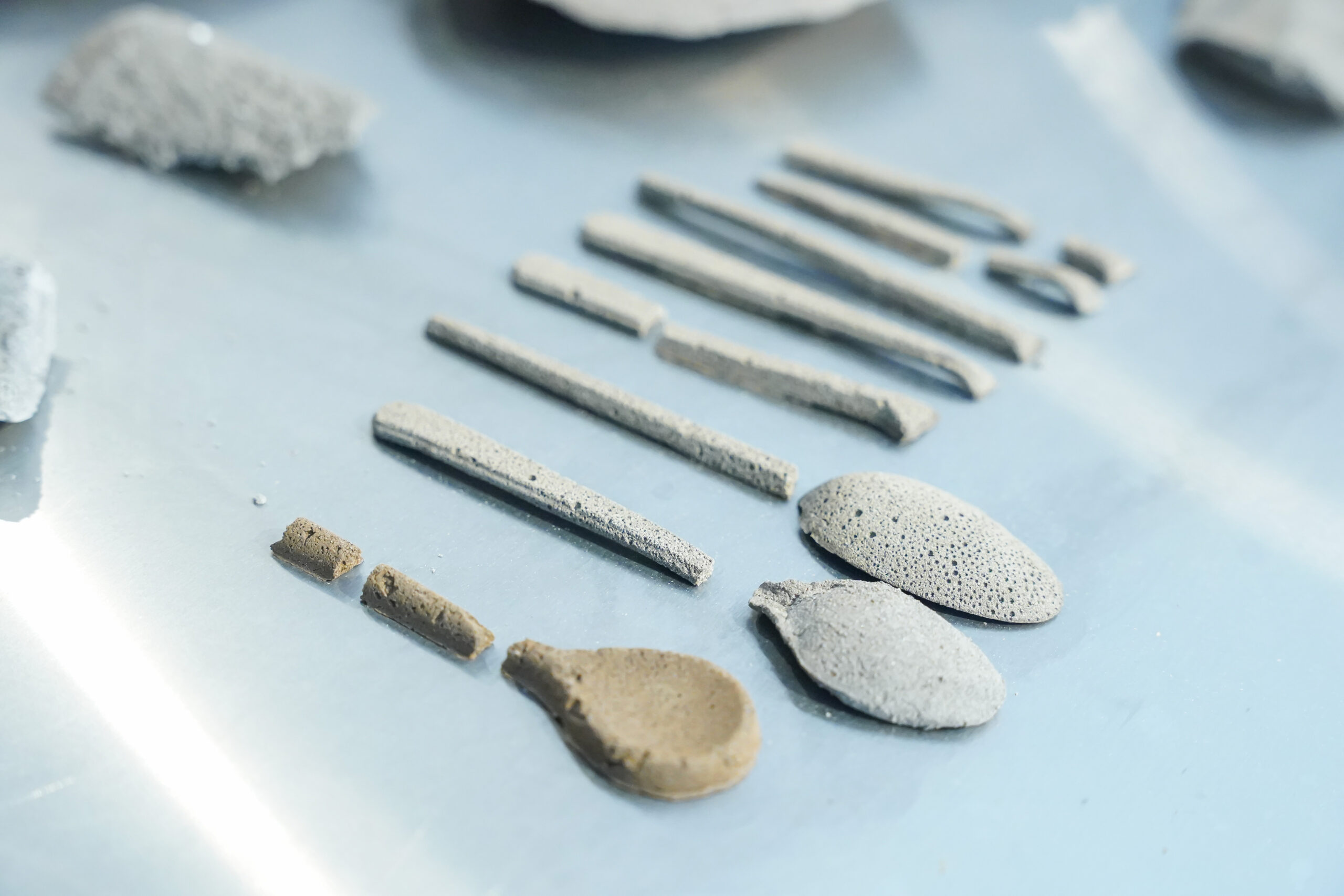
But the soil also holds other records of time. By digging deeper, we can discover material vestiges belonging to different cultures. These artifacts reveal how those cultures produced their objects and related to the environment in which they lived, pointing to their processes of appropriating and transforming nature. In the case of the archaeological simulacra produced by Rosane, a closer look reveals that the molds used are in fact derived from disposable plastic utensils. In this way, the artist invites us to reflect on the material legacy of our society and its relationship with the environment, consumption, and time.
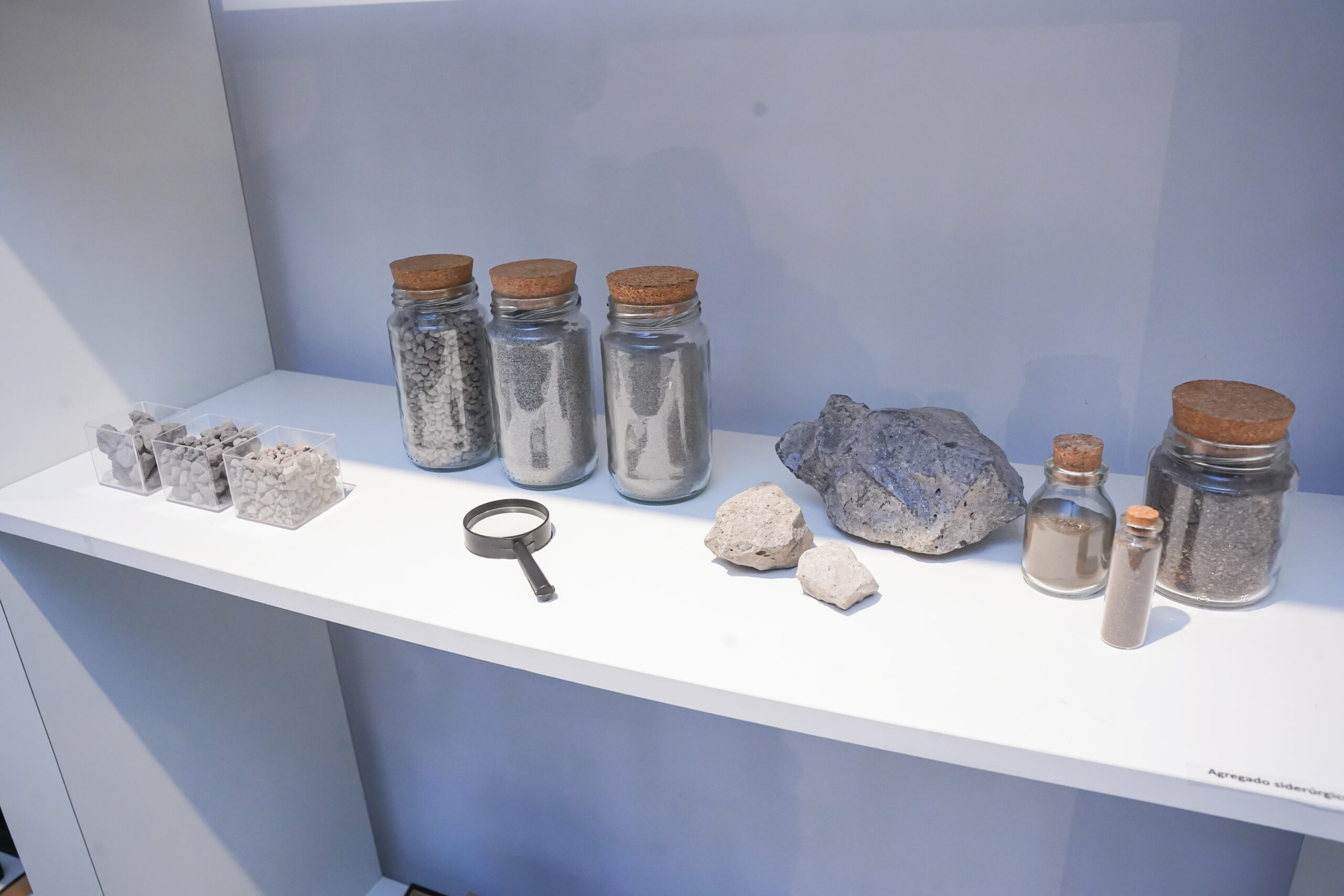
Beneath the soil are also minerals, the structural elements of the Earth’s crust. From them are extracted the ores used in the production of metals such as steel. The industrial process of steel generates a residue known as steel slag— a material with a stony, rough, granular appearance that carries the memory of its mineral matrix.
Steel slag is the raw material used by Rosane Dias in the production of her paintings and three-dimensional objects. Her works explore textures and forms that retain, in their materiality, traces of a mineral origin. More than proposing a new destination for industrial waste, the artist invites us to reflect on the present and on the challenges of coexistence between industry and nature, memory and transformation.